Laser marking of stainless steel balls, particularly those used as Islamic prayer beads or “tasbih” balls, is an intricate process that combines advanced technology with cultural artistry. This technique not only enhances the aesthetic appeal of the beads but also ensures the durability and precision of the markings, which often include religious inscriptions, symbols, or decorative patterns. Here’s an exploration of the process and its significance.
Real Life Application: Islamic Balls
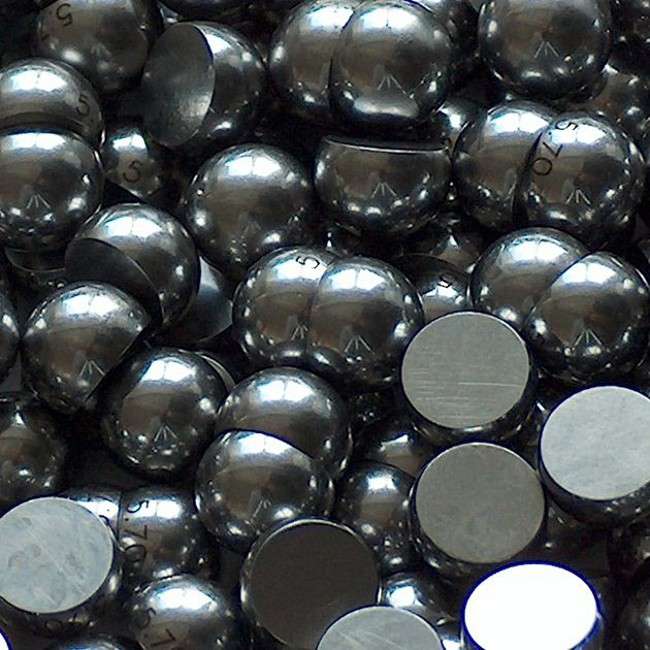
The laser marking of stainless steel balls with Islamic characters was an interesting project that falls between high technology materials processing and the arts. These steel balls were perfectly rounded and coated with a very high impact coating normally associated with the aircraft industry.
Although the laser marked image suggests the mark is black, it is in fact silver. We removed the white coating to expose the base material. It is the light reflection that gives it the black image in the photograph.
We did try to colour mark the base materials, using the laser marking system in CW mode, however, found that the coating discoloured when too much heat was applied.
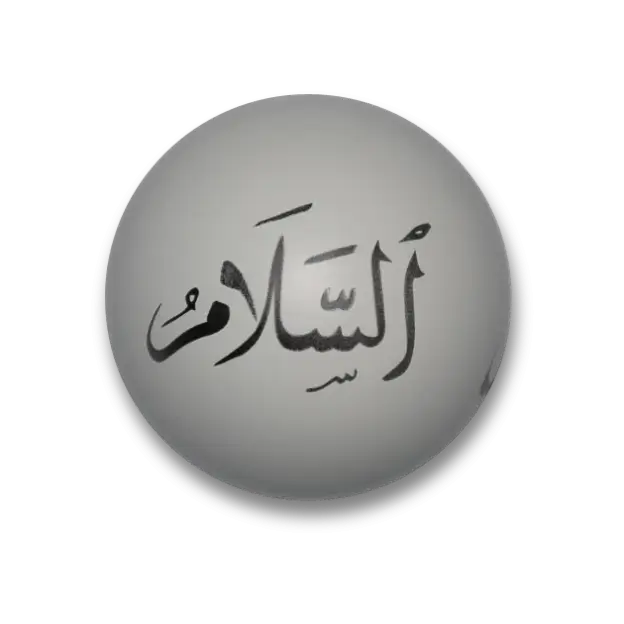
The markings, consisting of a range of Islamic prophets, were to be laser marked around the circumference. A rotary indexer was used to rotate while marking the relevant information onto the ball. Although the laser marking process does become slower due to the indexing, it is the only format that can be used for such applications. The ball has a hole running through the middle to attach the rope, where they were to be suspended. This hole is also being used for mounting the parts for marking.
The parts came in white and black and, when mounted formed hanging displays in a range of European museums showcasing Islamic art around the world.
Cultural and Religious Significance
Islamic prayer beads, also known as “misbaha” or “tasbih,” hold significant cultural and religious value. They are used by Muslims during prayer and meditation to keep track of recitations and supplications. The markings on these beads often include the 99 names of Allah, verses from the Quran, or other religious inscriptions, enhancing their spiritual significance.

Laser marking allows for the customization of these beads, enabling individuals to carry a personalized representation of their faith. The use of stainless steel adds a modern touch while maintaining the traditional essence of the prayer beads.
Understanding Laser Marking
Laser marking is a process that uses a focused beam of light to alter the surface of a material, in this case, stainless steel. The laser beam interacts with the surface to create permanent marks without any physical contact. This technique is favored for its precision, speed, and ability to create intricate designs.
Advantages of Laser Marking on Stainless Steel
- Durability: Laser marking is highly durable and resistant to wear and tear, ensuring that the designs remain intact over time, even with frequent handling.
- Precision: The laser can create extremely fine and detailed patterns, which is ideal for marking complex Islamic motifs and calligraphy.
- Non-contact Process: As there is no physical contact with the material, there is minimal risk of damaging the stainless steel balls.
- Flexibility: Laser marking can accommodate various designs and patterns, making it possible to customize each set of prayer beads according to personal or cultural preferences.
If you would like further information on this application, or any other application, please request a call back or, talk to one of our laser marking specialists by going to our contact page – link below.
Contact Us for Laser Engraving, Marking & Cutting Advice (thinklaser.theprogressteam.com/)