FROM CONCEPT TO CREATION. THINKLASER IS RATED EXCELLENT 4.9

Donaldson BOFA Shield – Spacious 3D Printer Enclosure for Enhanced Safety & Print Quality

£490.00

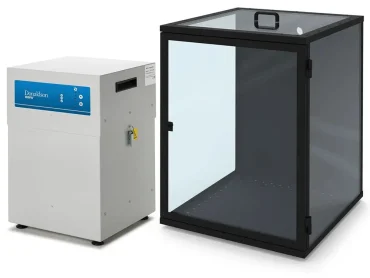
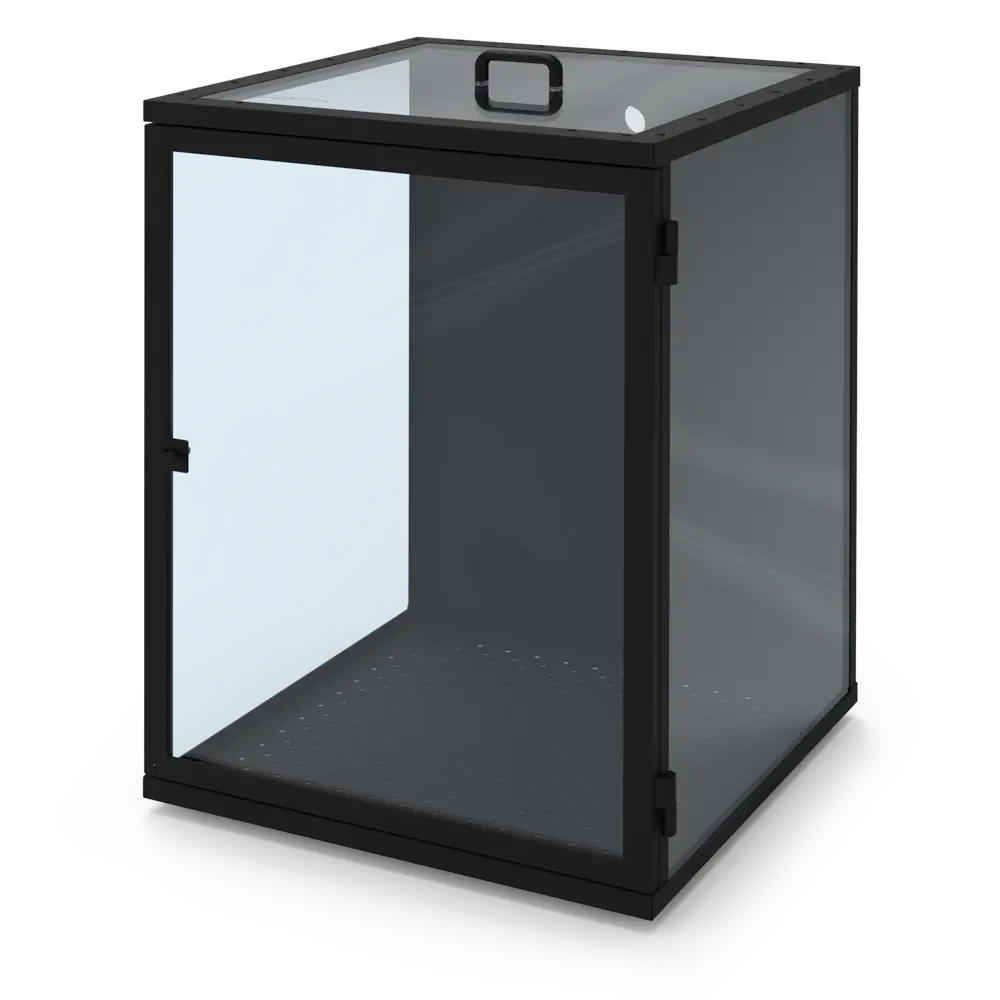
Donaldson BOFA Shield 3D Printer Enclosure – A spacious, high-quality enclosure designed to enhance 3D printing safety and performance. It helps reduce exposure to nanoparticles and VOCs while maintaining a stable printing temperature. Featuring dual access points, noise reduction, and a transparent acrylic design for full visibility, this enclosure is ideal for FDM, resin, and material extrusion printing. Available as a standalone unit or in bundle options with extraction systems.

Documentation

Donaldson Bofa Shield Datasheet

Donaldson Bofa Shield User Manual

Description

The Donaldson BOFA Shield 3D printer enclosure is designed to create a controlled environment for 3D printing, improving safety and print quality. It works seamlessly with an extraction system to help reduce exposure to nanoparticles and volatile organic compounds (VOCs) released during the printing process.

Ideal for filament deposition modelling (FDM), material extrusion, resin 3D printing, and post-processing, the Donaldson BOFA Shield helps maintain a stable printing temperature by shielding against external airflow disruptions such as drafts from open windows or doors.

Key Features:

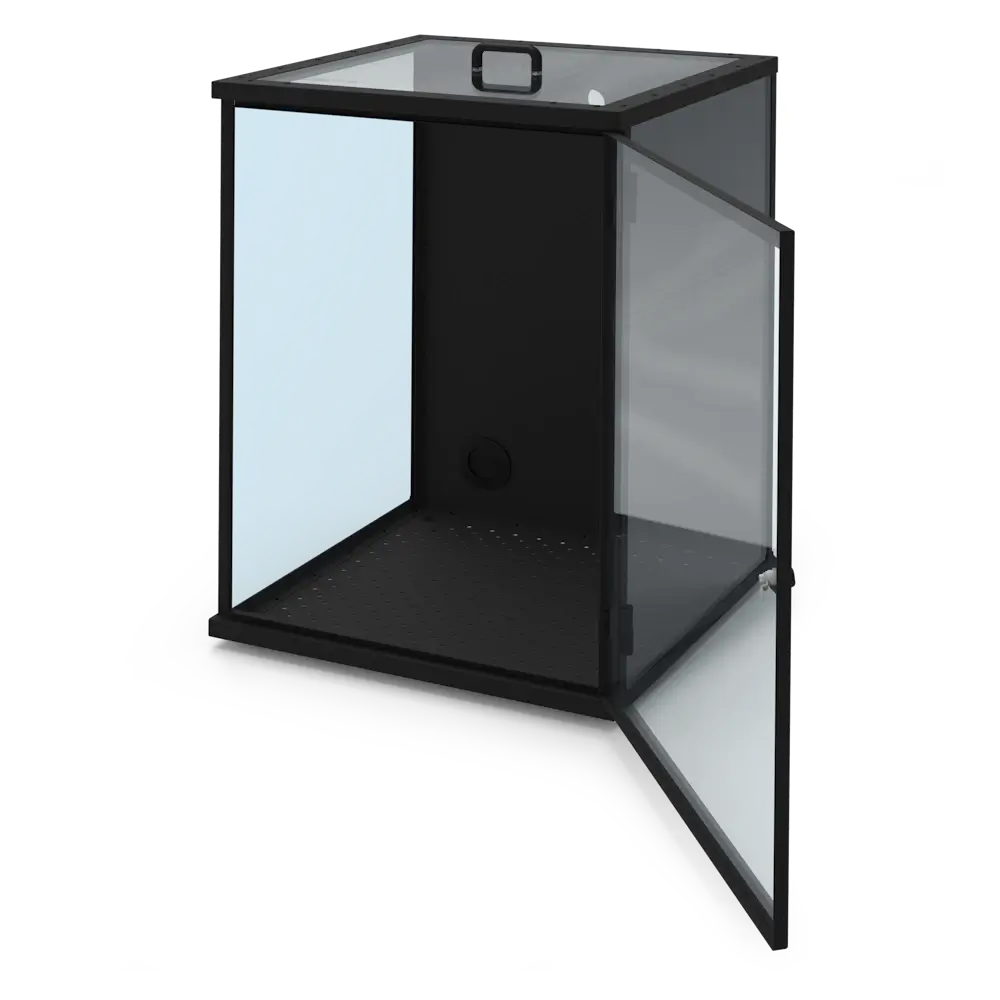
Spacious Design – Allows easy print removal and consumable replacement without repositioning the printer.

Dual Access Points – Top and front entry for convenience.

Flat-Pack Construction – Easy to assemble.

Noise Reduction – Helps lower operational sound levels.

Temperature Stability – Supports consistent print quality for open-framed 3D printers.

Clear Visibility – Transparent acrylic panels provide full view of the printing process.

Customisable Configuration – Multiple feed-through options and adjustable door orientation.

High-Quality Construction – Durable and sturdy for long-term use.

Available Options:

  • Standalone 3D printer enclosure

  • Shield & 3D PrintPRO 3 bundle

  • Shield & V 600 bundle

Enhance your 3D printing safety and performance with the Donaldson BOFA Shield 3D printer enclosure. Contact us to learn more or request a quote.

Frequently Asked Questions

Yes, a 3D printer enclosure can be highly beneficial, especially in certain environments and applications. Here are some key reasons why it’s worth considering:

1. Temperature Control

Enclosures help maintain a stable temperature around the 3D printer, which is crucial for materials like ABS that are sensitive to drafts or sudden temperature changes. This prevents warping, cracking, and ensures smoother prints.

2. Health and Safety

A well-designed enclosure, especially when paired with an extraction system, can help reduce exposure to harmful fumes, nanoparticles, and VOCs (volatile organic compounds) that are released during the printing process. This is particularly important when using materials like ABS or resin.

3. Noise Reduction

3D printers, particularly larger ones, can be noisy. An enclosure helps dampen sound, making the printing process more suitable for home offices, workshops, or shared environments.

4. Cleaner Environment

An enclosure keeps dust and debris away from the print bed and components, helping ensure the print process is not disturbed. It can also protect the printer from external factors like pets, insects, or accidental contact.

5. Enhanced Print Quality

By shielding the print from external elements like drafts or direct sunlight, enclosures ensure a more consistent and controlled environment, leading to higher-quality prints.

6. Protection for Open-Framed Printers

If you’re using an open-framed 3D printer, an enclosure is especially useful. It helps maintain the stability of the printing process by reducing environmental factors that can cause issues like layer misalignment or uneven cooling.

7. Post-Processing and Resin Printing

For resin printers, enclosures provide an ideal environment for curing prints after the print job is complete. It also helps control exposure to UV light.

Conclusion

For anyone serious about achieving high-quality 3D prints while ensuring safety and longevity of their equipment, a 3D printer enclosure is definitely worth the investment. It provides better control, reduces environmental disruptions, and protects both the user and the printer.


Is an enclosure bad for PLA?

No, an enclosure is generally not bad for PLA and can actually be beneficial in certain situations. Here’s why:

1. Maintaining Stable Temperature

PLA (Polylactic Acid) is more forgiving than other materials like ABS when it comes to temperature stability, but it still benefits from a controlled environment. An enclosure can help prevent sudden temperature fluctuations caused by drafts or external factors like air conditioning or open windows, which can lead to issues like warping or poor adhesion to the bed.

2. Prevention of Warping

While PLA typically doesn’t warp as much as other materials, it can still experience some warping if the cooling is uneven. An enclosure helps reduce the likelihood of this by keeping the ambient temperature stable and preventing drafts that could cool the print too quickly.

3. Reduction of Contamination

An enclosure helps to keep dust, debris, and other particles away from the print area, which can improve the print quality by preventing contamination that might affect the adhesion or surface finish.

4. Noise Reduction

If you’re using your 3D printer in a shared or home office environment, an enclosure can help reduce operational noise, which is a secondary benefit for users working with PLA.

5. Preventing Overcooling

In some cases, PLA can benefit from having a bit more warmth during printing, especially in colder environments. An enclosure can provide a slight warmth, which is more favourable for smoother prints and reduced issues with layer adhesion.

When an Enclosure Could Be Less Ideal for PLA

While enclosures are generally beneficial, if the environment inside the enclosure becomes too warm, it could cause issues with overheating the PLA filament, leading to stringing or excessive layer adhesion. Most PLA prints do not need a high ambient temperature, so it’s important to monitor the temperature inside the enclosure if you are using it with PLA.

Conclusion

For PLA, an enclosure is not bad and can, in fact, improve print quality by ensuring consistent temperatures and preventing environmental factors from affecting the print. However, you should be mindful of not overheating the filament inside the enclosure. Proper ventilation or temperature control within the enclosure can help avoid any potential issues.


Additional information

Weight 21.5 kg
Dimensions 62.8 × 61.6 × 92 cm