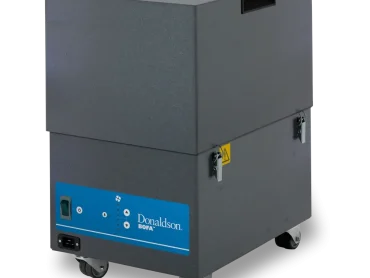
Donaldson Bofa 3D PrintPRO 3 – Advanced 3D Printer Fume Extraction for Enclosed Printers
£693.00
The 3D PrintPRO 3 is a high-performance fume extraction system designed for 3D printers. Ideal for capturing harmful fumes and particles from processes like VAT polymerization, fused filament fabrication, and material jetting, it features HEPA and advanced carbon filters to ensure clean air. With a compact footprint, low noise operation, and digital speed control, it provides efficient and reliable filtration. Perfect for maintaining a safe, healthy environment in your 3D printing workspace.
Documentation
Description
The 3D PrintPRO 3 is a freestanding fume extraction system specifically designed for 3D printers, ideal for a range of printing processes, including VAT polymerization, fused filament fabrication, and material jetting. This advanced filtration and atmosphere management system helps efficiently capture and filter the fumes generated during 3D printing, ensuring a cleaner and safer environment.
Key Features:
-
Compact Footprint: The 3D PrintPRO 3 is designed for ease of use in any workspace with its small, space-saving size.
-
Low Noise: The system operates quietly, making it suitable for environments where noise control is a priority.
-
Digital Speed Control: Allows precise adjustment of airflow to match your specific 3D printing process.
-
Return Airflow Capability: Enables the safe return of filtered air to the workspace, enhancing operational efficiency.
-
HEPA Filtration: Equipped with HEPA filters that capture 99.995% of particles at 0.3 microns, ensuring highly effective filtration.
-
Advanced Carbon Filters: Designed with industry-specific carbon types, our advanced carbon filters effectively remove contaminants and odours, preventing bypass and tunnelling.
-
Multi-Voltage Sensing: The system automatically detects the local voltage and adjusts accordingly for seamless operation.
-
Optional Remote Stop/Start Signal: This feature allows the 3D printer fume extraction system to start and stop automatically based on the machine’s operation, reducing energy consumption.
-
Filter Change Alert (Optional): Get notified when the filter is full and needs to be changed, ensuring continuous and optimal performance.
This system is also available as part of the Shield & 3D PrintPRO 3 bundle.
Approvals: UKCA and CE certified.
Ensure a safer and more efficient 3D printing experience with the 3D PrintPRO 3 – the perfect solution for 3D printer fume extraction.
Frequently Asked Questions
Does 3D printing have harmful fumes?
Yes, 3D printing can produce harmful fumes, particularly when using certain materials like plastics. These fumes can be a health risk if not properly managed. The types of harmful emissions depend on the material being printed and the specific printing process. Common materials such as ABS, PLA, and nylon release volatile organic compounds (VOCs), particulate matter, and potentially toxic gases, including styrene (from ABS) and formaldehyde.
Prolonged exposure to these fumes can irritate the eyes, nose, and throat, and may also affect the respiratory system, leading to issues such as asthma or other long-term health conditions. To mitigate these risks, it’s essential to use proper ventilation and fume extraction systems, such as those found in the 3D PrintPRO 3, to ensure that harmful fumes are filtered out of the air during the 3D printing process.
Having a dedicated 3D printer fume extraction system can significantly reduce the potential hazards of working in environments where 3D printing is carried out.
How to get rid of 3D printer fumes?
To effectively get rid of 3D printer fumes and create a safer environment, you need a combination of proper equipment, techniques, and practices. Here’s a step-by-step guide on how to manage and eliminate harmful fumes generated by 3D printers:
1. Install a Fume Extraction System
The most efficient way to remove 3D printer fumes is to use a dedicated fume extraction system designed for 3D printing. These systems filter the harmful gases, VOCs, and particulate matter produced during printing. Key components include:
-
HEPA Filters: Capture fine particles, such as those produced by materials like ABS and PLA.
-
Activated Carbon Filters: Absorb gases and odours like styrene and formaldehyde.
-
Pre-filters: Help capture larger particles before they reach the main filters, extending the lifespan of your system.
Systems like the 3D PrintPRO 3 are designed to filter these fumes and recirculate clean air, keeping your workspace safe.
2. Use an Enclosed Printer
Enclosures are useful for containing fumes within the 3D printer’s build chamber. They not only prevent fumes from spreading into the room but also allow for better management of airflow, ensuring that fumes are directed towards an extraction system or filtered properly.
-
Enclosures can either be built into the printer or purchased separately as accessories.
-
Ventilation ports in enclosures can be connected to a fume extraction system, ensuring that harmful fumes are filtered out efficiently.
3. Ventilate the Workspace
Proper ventilation is essential if you’re not using an advanced fume extraction system. Here’s how to ensure good airflow:
-
Open windows or doors to allow fresh air to dilute the fumes.
-
Exhaust fans or ducting systems can direct the fumes outside the building, helping to clear the air.
-
Place the printer near a vent or window to ensure any fumes are directly drawn outside.
Ensure the ventilation system is effective enough to handle the fumes generated, especially in enclosed spaces.
4. Use Active Carbon Filters
For smaller or less demanding setups, standalone activated carbon filters can be used to reduce the odour and VOCs produced during 3D printing. These filters are effective for:
-
Absorbing gases like styrene (from ABS).
-
Reducing unpleasant smells.
While they may not be as effective as a full fume extraction system, they can still be a helpful supplementary solution, especially for low-volume printing.
5. Choose Low-Emission Filaments
Certain 3D printing materials produce fewer fumes than others. PLA (Polylactic Acid), for example, emits minimal fumes and is generally regarded as safe for use in well-ventilated spaces. Avoid using materials such as ABS, which can release harmful gases like styrene, unless you have proper fume extraction and ventilation in place.
-
Consider alternative filaments like PETG or TPU, which emit fewer VOCs than ABS but may still require ventilation.
6. Monitor Air Quality
It’s a good idea to monitor the air quality in your workspace to ensure it’s safe. Use air quality monitors that can detect particulate matter and gases, helping you track the concentration of harmful substances in the air. If the readings are high, you can adjust the ventilation or filtration system as needed.
7. Perform Regular Maintenance
For fume extraction systems to function effectively, they require regular maintenance:
-
Change filters according to the manufacturer’s instructions. HEPA and carbon filters degrade over time and need to be replaced to ensure the system is functioning at its best.
-
Clean ducts and hoses to prevent blockages or buildup that could reduce the system’s efficiency.
-
Check for leaks in the fume extraction system to ensure that no fumes are bypassing the filters.
8. Use Local Exhaust Systems
If your 3D printer is placed in a small, enclosed area or room, consider using a local exhaust system. These systems are designed to capture the fumes right at the source, preventing them from entering the general workspace. This is especially useful for high-output printers or when using materials that produce a significant amount of fumes.
9. Install a Chemical Scrubber (Optional)
In more industrial or large-scale 3D printing operations, chemical scrubbers may be used to clean the air before it’s released back into the environment. These systems use chemical reactions to neutralise harmful gases and VOCs, providing an additional layer of protection.
By implementing a combination of these solutions, you can effectively get rid of 3D printer fumes and create a safer, more comfortable working environment. The most comprehensive solution involves using a high-quality fume extraction system combined with proper ventilation and safe materials.
Additional information
| Weight | 11 kg |
|---|---|
| Dimensions | 29 × 30 × 40 cm |
| Airflow / Pressure | 120 m3/hr |
| Electrical Data | 230 V 50/60 Hz; Full load current: 0.7 amps |
| Noise Level | < 57 dBA (at typical operating speed) |
| Cabinet Construction | Powder-coated mild steel |
| Dimensions | 400 x 290 x 300 mm |
| Weight | 11kg |
Related products
-


Donaldson BOFA Shield – Spacious 3D Printer Enclosure for Enhanced Safety & Print Quality
£490.00 Add to cart -


Donaldson Bofa 3D PrintPRO 2 – Compact and Efficient 3D Printer Fume Extraction System
£489.00 Add to cart -
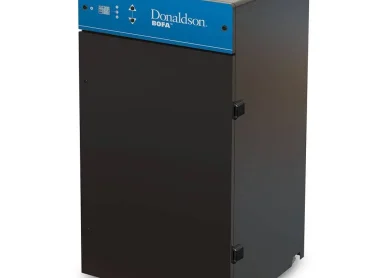
3D Printer Fume Extractor – Donaldson Bofa AM 400
£18,973.00 Add to cart -
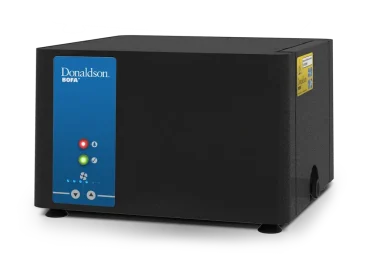
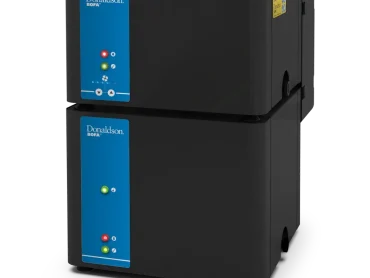
Fume Extraction for 3D Printing: Donaldson Bofa 3D PrintPRO HT
£3,555.00 Add to cart